Buying Views, Buying Belief: My TikTok Experiment

I recently made a video on my TikTok that didn’t really go anywhere at first it had around 340 likes, which is pretty normal. Nothing viral, nothing crazy. But then I decided to test something: I paid $8 to boost it.

Within seconds, my video was “under review,” but honestly, it barely felt like anything was actually being checked. It went through super fast, and not long after, my views started going up. Within just 10 minutes, I had already gained about 300 more views and it’s still growing. That’s when it really hit me how much of what we see online is actually real, and how much of it is just.. boosted?

This made me question how platforms like TikTok really monitor content. If something can get pushed out to more people just because someone paid for it, does that mean it’s being properly fact-checked? Or is it just being approved because it follows basic guidelines?

The truth is, when people see a video with a lot of views, they automatically assume it’s credible. It looks popular, so it must be true, right? But that’s not always the case. A video could be completely made up, AI-generated, or just misleading—but if it gets enough traction, people start believing it anyway.

We’ve seen this happen before. During the COVID-19 pandemic, videos with false health advice spread quickly because they looked popular and convincing. People trusted them because of the number of views, not because they were actually accurate. The same thing can happen now with AI-generated videos—someone can create something that looks real, boost it, and suddenly thousands of people believe something that never even happened.

Another example is when old videos get reposted as if they’re current events. A clip from years ago can be boosted and shared, and people think it’s happening right now. It spreads fast, and by the time anyone realizes it’s outdated, the misinformation has already reached tons of people.

Even things like product reviews or “life hacks” can be misleading. If a video is boosted and gets a lot of engagement, people assume the product works or the advice is legit without questioning it. The views make it feel trustworthy, even when it’s not.

That’s the scary part. Views don’t equal truth, but on social media, they kind of feel like they do.

This experiment made me realize how easy it is to influence what people see and even what they believe. If something goes viral, most people don’t stop to question how it got there they just watch, like, and share.

So now I’m thinking: are we really in control of what we see online, or are we just being shown what someone paid for us to see?
Blog Assignment #7 Who owns our conversations?

Lately, I’ve been thinking a lot about how much power social media has over what we see, think, and even believe. Platforms like Instagram and Facebook feel like places where everyone goes to talk, share opinions, and stay updated. It honestly feels like a public square, which is something the Supreme Court talked about in Packingham v. North Carolina. But at the same time, these platforms aren’t actually public they’re owned by big companies like Meta Platforms. That’s where things start to feel weird to me.At the beginning of 2025, there were changes where fact checking was removed from platforms like Instagram and Facebook. I also saw people talking about how they were suddenly following political figures without choosing to. That made me realize how little control we actually have over what shows up on our feeds. Like, we think we’re choosing what we see, but really the platform is choosing for us. There are definitely good things about these apps. I use Instagram all the time to keep up with friends, laugh at videos, and just relax. It’s easy, and everyone I know is on it. Big platforms make it simple to connect with people and spread information fast. That’s why movements and important conversations can grow so quickly online. But the downside is kind of scary. If one company controls everything, they can also decide what gets pushed and what gets hidden. And if they stop fact-checking, misinformation can spread even faster. That connects to what the Free Speech Project talks about with “The New Public Square?” basically, these platforms shape what we believe, even if we don’t realize it.

Another thing I’ve been thinking about is whether we should really trust these companies to do the right thing. At the end of the day, they’re businesses. Their goal is to make money and keep people on the app, not necessarily to make sure everything is fair or true. So relying on them to control such important conversations doesn’t feel right.

Some people suggest using more decentralized platforms, where no one company is fully in charge. I like the idea of that because it gives users more control, but honestly, those platforms aren’t as popular or easy to use yet. It’s hard to leave when all your friends and content are still on Instagram or Facebook.

I do think the government might need to step in a little, especially if social media is basically where public conversations happen now. One idea I thought was interesting is portability, where you could move your followers and content to another platform easily. That way, we wouldn’t feel stuck in one place.

As for who owns what we say online… it doesn’t really feel like us. Even though we post things, the platform controls where it goes and who sees it. That doesn’t seem completely fair. Personally, I’m starting to be more careful with how I use social media. I still go on Instagram a lot, but I try not to believe everything I see right away. I also think more about how the app might be influencing me without me noticing. I haven’t fully switched to other platforms yet, but I’m more open to it now.

Overall, I think something needs to change. Social media isn’t just for fun anymore it’s where people get news, share opinions, and have important conversations. If that’s the case, then we shouldn’t leave all that power in the hands of a few companies. Users should have more control, more transparency, and more say in what happens on these platforms.

Wiki


https://en.wikipedia.org/wiki/Coachella_2026

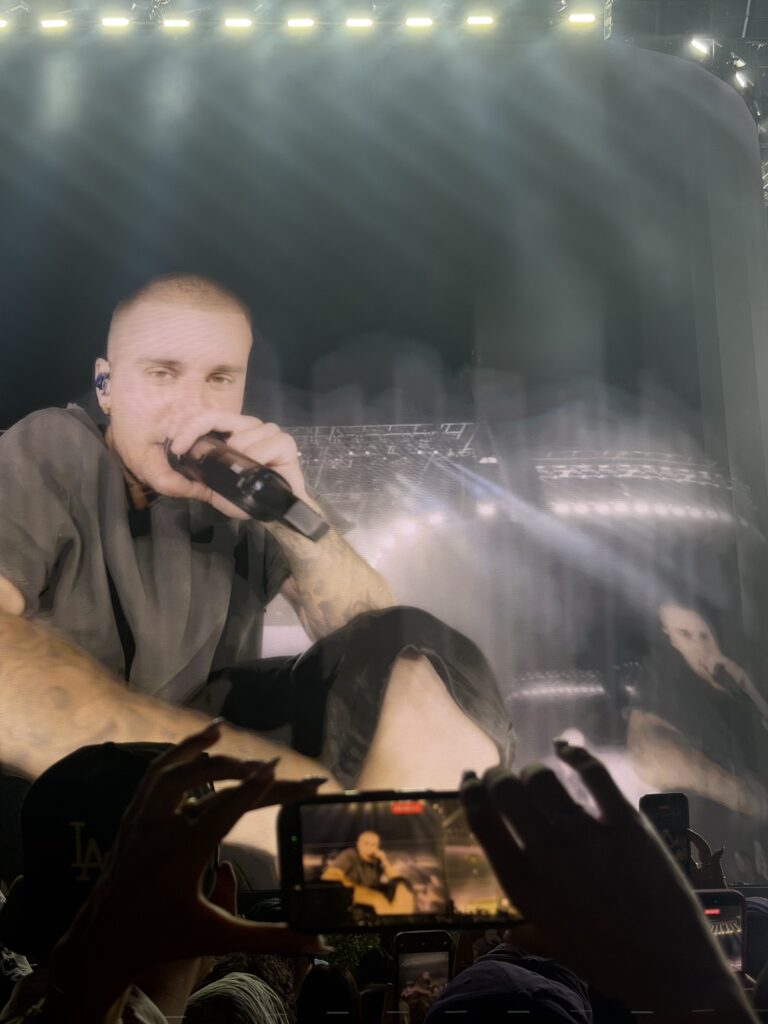
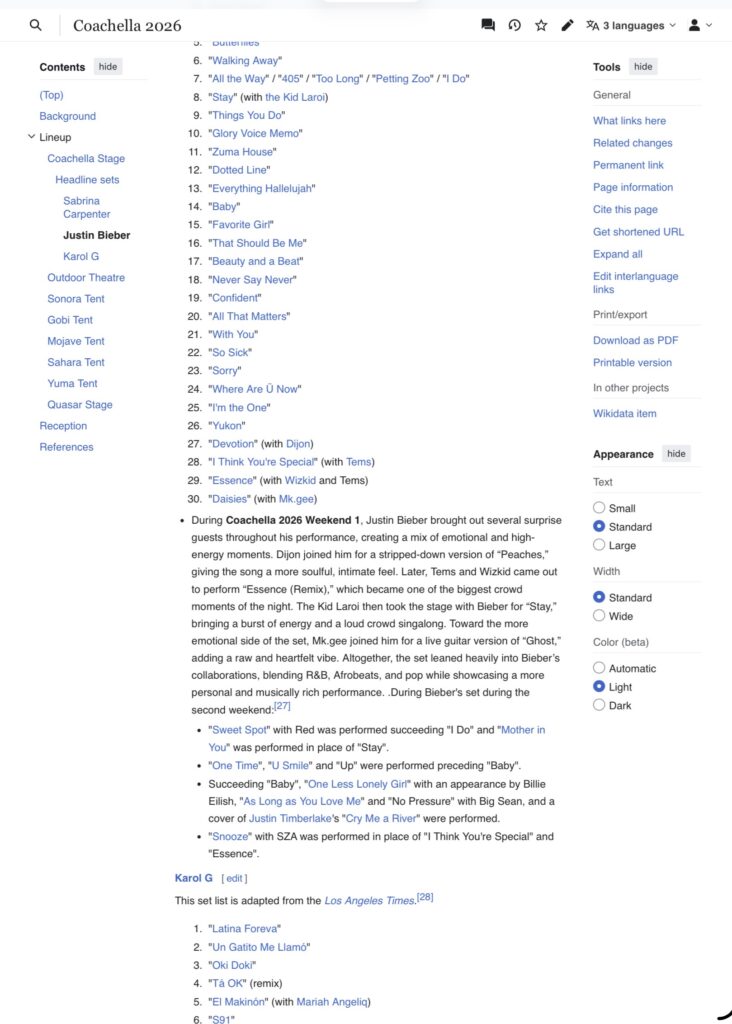
I got to try editing Wikipedia, and it was honestly harder than I thought it would be. I decided to work on Justin Bieber and add info about his Weekend 1 performance at Coachella 2026. I thought it would be easy just add who came out during his setbut it turned out to be way more than that. One of the main reasons I wanted to add this information is because I actually went to his set at Coachella Weekend 1 and saw everything up close, which made me feel more connected to what I was writing about.

During his performance, he brought out a bunch of artists like Dijon, Tems, Wizkid, The Kid Laroi, and Mk.gee. I wanted to include that because it made his set feel more exciting and showed how many people he worked with.

The hard part was that I couldn’t just write it and post it. Wikipedia is really strict about sources, so I had to find real, trustworthy articles to prove everything I added. Some stuff I thought was fine actually wasn’t allowed, which surprised me. It made me realize that not everything online is considered reliable, even if a lot of people are talking about it.

Another thing I noticed is that people check your edits pretty fast. After I posted mine, other editors were already reviewing it. It was kind of stressful, but also cool because it shows that people actually care about keeping the information accurate.

Overall, this experience changed how I see Wikipedia. I used to just go on there and not think twice about it, but now I know there’s a lot of work behind it. Adding Justin Bieber’s Coachella performance wasn’t just about music it showed me how important it is to have real sources and accurate information.

Screenshot

Blog Post #4:Instagram and TikTok

Misinformation is something I’ve definitely come across a lot while scrolling on social media. It’s not always super obvious either sometimes it looks completely real at first. Platforms like Instagram and TikTok are where I spend a lot of time, so I’ve actually seen how both of them try to deal with misinformation in real time. Even though they’re both working toward the same goal, they handle it pretty differently. Instagram, owned by Meta, seems to focus more on warning users instead of immediately deleting content. I’ve personally seen posts where there’s a label saying the information is false or missing context.Sometimes when I try to share something, a pop-up comes up asking if I’m sure I want to post it because it might not be accurate.During COVID19 especially, I remember seeing a lot of those labels. If I searched anything related to vaccines or the virus, Instagram would also direct me to more reliable sources instead of just showing random posts.

I think this approach is helpful because it doesn’t just remove content it makes you pause and think. At the same time, I’ve also noticed that people still repost things even with the warning labels. So even though Instagram is trying, it doesn’t always stop misinformation from spreading. https://www.instagram.com/

TikTok feels a lot faster when it comes to dealing with misinformation. From what I’ve seen  videos that are clearly misleading sometimes disappear pretty quickly. Other times, I’ll see a warning label pop up or notice that a video isn’t getting pushed as much.Since TikToks For You page controls what goes viral, I think they focus a lot on limiting how far misinformation spreads. I’ve also seen them promote more reliable information during big events, like elections, where they direct users to trusted sources. https://www.tiktok.com/en/

But at the same time TikTok moves fast. I’ve definitely seen videos blow up before anyone questions if they’re true or not. By the time it gets taken down, a ton of people have already seen it.From my point of view, Instagram and TikTok both try, but in different ways. Instagram feels more like it’s trying to educate users, while TikTok is more focused on stopping the spread as quickly as possible.

Personally, I think both approaches have pros and cons. I like that Instagram gives context, because it helps me think more critically about what I’m seeing. But I also think TikTok’s faster action is important, especially when misinformation could actually harm people.One thing I’ve really noticed is how easy it is to get tricked by small details. For example I’ve seen accounts that use a celebrity or politician’s profile picture, but their username is just slightly offlike one letter missing or added. If you’re scrolling fast, you might not even notice. That’s something that both platforms are trying to fix with verification badges, but it still happens a lot.

Even though both platforms are making an effort, I think there are a few ways they could improve.First speed is a big issue. Misinformation spreads so quickly that even a short delay can make a huge difference.

Second I think they could do more to actually teach users. Instead of just labeling something as false, it would help if they explained why in a simple way. That way, people can start recognizing misinformation on their own.

Third fake accounts are still a problem. I really think stronger verification systems would help, because those small differences in usernames can be super misleading. Lastly I think being more transparent would build more trust. Sometimes content just disappears or gets flagged, and you don’t fully understand why. If platforms explained their decisions better, people might take them more seriously.

At the end of the day, I’ve realized that it’s also on us as users. I’ve had moments where I almost believed something just because it looked real or had a lot of likes. Now I try to pay more attention to the small details, like usernames, captions, and where the information is coming from.

Because in a space where everything moves so fast, those little things actually matter more than we think.

Blog Post #5 AI

Chat GPT

I had ChatGPT on my iPhone and I put in the search engine and what it gave me was a good summarization, but it didn’t have any facts or quotes or anything to back it up. after taking this classes, I realize how do you know this information is 100% true where’s the evidence and just because it gives us that answer how do we know it’s true and can trust it? A lot of people use ChatGPT for work or school and to be honest, I really relied on it sometimes but thinking about it they could lie to us so we could believe it and put it in our work. I also think this program makes us not think and do the research anymore. I feel like kids and people now nowadays are not as educated because they can rely on programs like ChatGPT to do all the information for them instead of learning it and we’re searching at themselves. The more people use it the more people trust this program and think everything’s accurate even though they don’t cite their sources and they’re gonna be evidence of it being wrong. I only did the search once on ChatGPT and that’s what it gave me and it seemed accurate, but going through it wasn’t very detailed and how can I trust it? At the end of the day, people are relying on ChatGPT for information, even though they just copy and paste it without even actually researching it. I think ChatGPT could be good for things, but also I think it’s tearing down society and people are not learning and educating themselves as much anymore. I think programs like ChatGPT are just gonna get stronger and people are just gonna rely on it, especially with their work and school.

https://docs.google.com/document/d/1-dE-IJAU0JPBuJCS9VNETxX75g6SgQYXhTnSXUPfQYA/edit?usp=drivesdk

Coachella Weekend 1

This weekend, I am going to Coachella music festival. This is my second time going to Coachella and I’m very excited in getting prep for the weekend. For Coachella it’s a three day event and I’m going all three days so you have to have cute three day outfits prepared and it’s a long process. I’m very excited to see Justin Bieber and I’ve been shopping and getting ready all day to drive to Coachella Valley. Going to music festivals is one of my favorite things to do. The vibe And just the whole environment is a whole experience. I Think everyone should try at least once because it’s definitely experience and you won’t wanna miss it. I will be safe and hydrated and ready to go to the music festival this weekend. I’m posting this video Friday morning before going to Coachella. I am getting ready for everything here’s to Coachella weekend one.

Fake New or Real?

These websites help you tell the difference between fake news and real news. They teach you how to identify credible sources, fact-check information, and make sure what you’re reading is legitimate. If you’re ever unsure whether something is real or not, you can always use these sites to double-check and stay informed.

I also used the fake news generator, and it really helped me understand how easily people can be influenced. It showed me how posting certain things could affect whether I gain or lose followers, depending on if the content seems trustworthy or not. It also gave me insight into how people view information online and made me realize that even small details can make a big difference.

For example, something as simple as a profile picture matching a public figure—like the president—can trick people, even if the username has just one letter off. A lot of people don’t notice those small differences and assume it’s a real account. It made me realize how important it is to pay attention to the little things, because they really do matter.

Blog Assignment #3 Beach

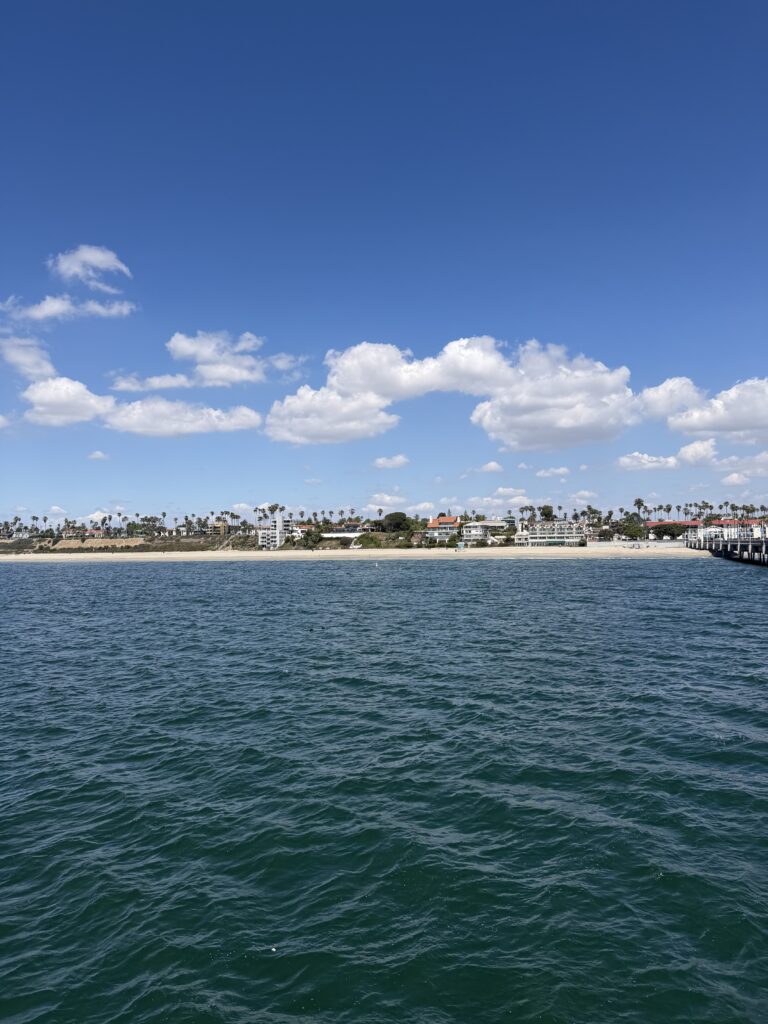
I took this picture in Long Beach at the Veterans Memorial Beach on April 1, 2026 I took this picture when I was walking on the pier and I took it with my iPhone 17 Pro. My two favorite things are going on walks and going to the beach. I live in California by all the beaches off of PCH so on my days off, I usually go walk by one of the beaches. You can see my photo of the color of the water, the sand in the housing. It was a beautiful warm day that day, and the clouds are Very clear to see with the sky.

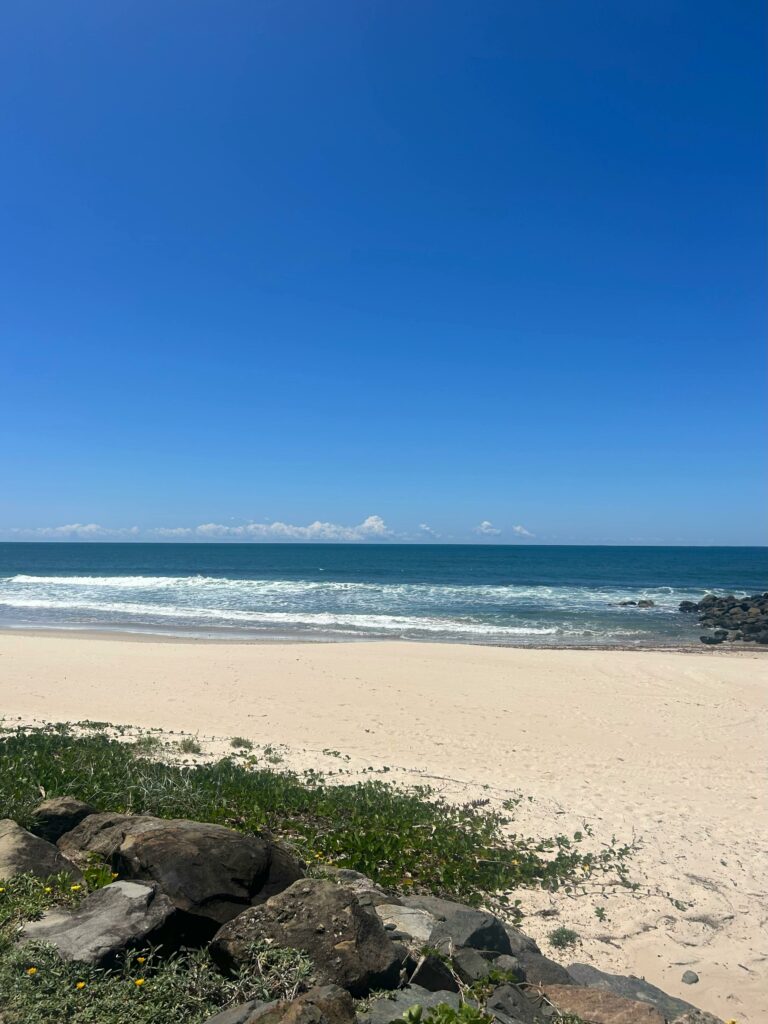
I got this picture on a free stock picture website called Pexels. https://images.pexels.com/photos/29120261/pexels-photo-29120261.jpeg?cs=srgb&dl=pexels-danielle-guinea-2030180846-29120261.jpg&fm=jpg&_gl=1*wvnhc0*_ga*OTcwMjEzMTY1LjE3NzUzMzM2OTE.*_ga_8JE65Q40S6*czE3NzUzMzM2OTAkbzEkZzEkdDE3NzUzMzM3NDEkajkkbDAkaDA.
You can see it’s kind of similar to my picture with It being the beach with the water, but it’s not as clear as my photo because it’s coming from a different website. I like how it has the same kind of colors as my picture. The picture is definitely pixelated where mine was done with my iPhone.

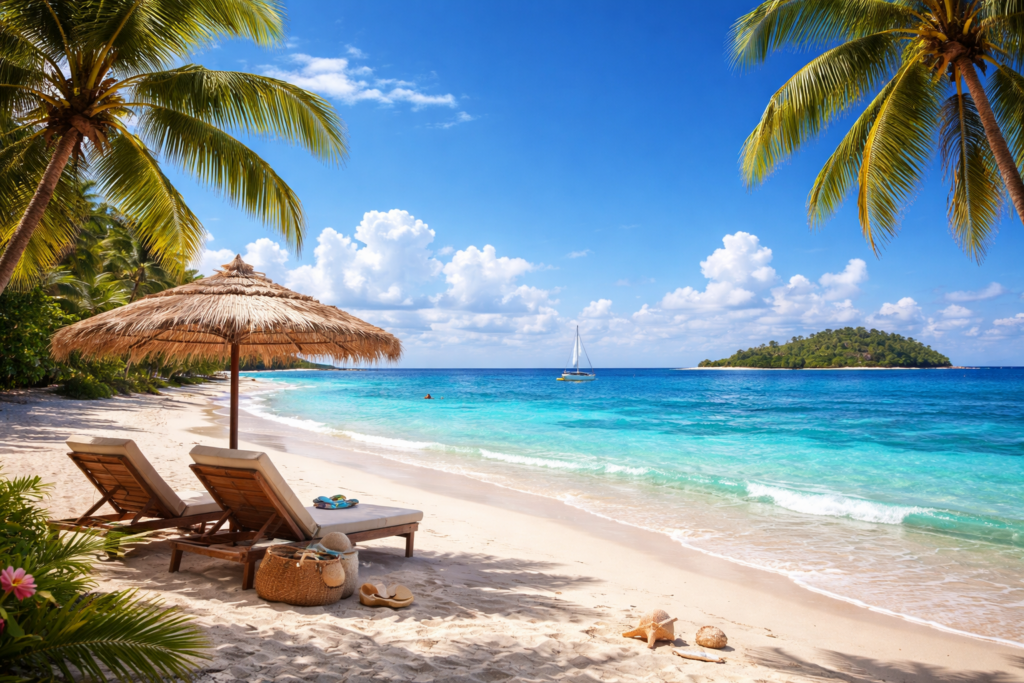
I got this picture off ChatGPT off my phone. I told it to give me a picture of the beach and this is what it created. I feel like AI pictures look totally fake and unrealistic or they look picture perfect but once you zoom in, it’s very pixelated. All these pictures are very similar, but they’re not as clear. I definitely prefer actually taking the photo of them finding it online or asking ChatGPT.

24 Hour Media Journal

Saturday, March 28, 2026

8:00 a.m.: Woke up by my phone alarm and checked my phone messages and my email before getting up to get ready. I got up and got dressed to go to the gym.

8:30 a.m.: Drove to the gym while listening to my Spotify playlist. I deleted all my social media accounts for the last couple weeks because it was a lot for me and my mental health. I worked out for an hour while listening to Spotify.

9:30 a.m.: I drove home after the gym and I put on my favorite podcast, which is Sabrina Zohar. She has new episodes come out Friday so I decided to listen to calm myself down while I drove home.

10:30 a.m.: I made breakfast with my Family and we sat and talked about everything going on. It was nice to catch up with my family and not be on my phone. We then watched an episode of age of attraction on Netflix.

11:30 am -2 pm: I cleaned and organized my room while watching YouTube videos on my TV in my room.


2-3:
went on a walk in my neighborhood well listening to the same podcast I didn’t finish while driving home. It’s been very nice to be off my phone and Exercise more.

4-6 : Watched Zootopia two with my family downstairs on the streaming service Disney+.

6-7: drove to McDonald’s to have dinner and then started getting ready to go to my friends’s 29th birthday party.

8-10: drove to Dave & Buster’s listening to my Spotify playlist and played games with my friends at Dave & Buster’s

11 p.m.: got ready for bed and put on YouTube videos while trying to fall asleep

I know this was a 24 hour media digest, but I decided a couple weeks ago to delete all my social media such as Instagram, TikTok, Facebook, and X. I did not realize how much time I was spending on all these social media platforms and taking out my time when I could be hanging out with friends and family. I think too it was an overload of information on all those social media platforms, different news sites and I didn’t know what to trust. Taking a break is very eye-opening how much I spent on my phone. Doing this assignment, I still use a lot of screen time such as TV But it’s been nice not being on my phone as much. I definitely suggest a social media break every once in a while because it was affecting my mental health and now I feel much calmer and less anxiety due to less information coming my way.

About me

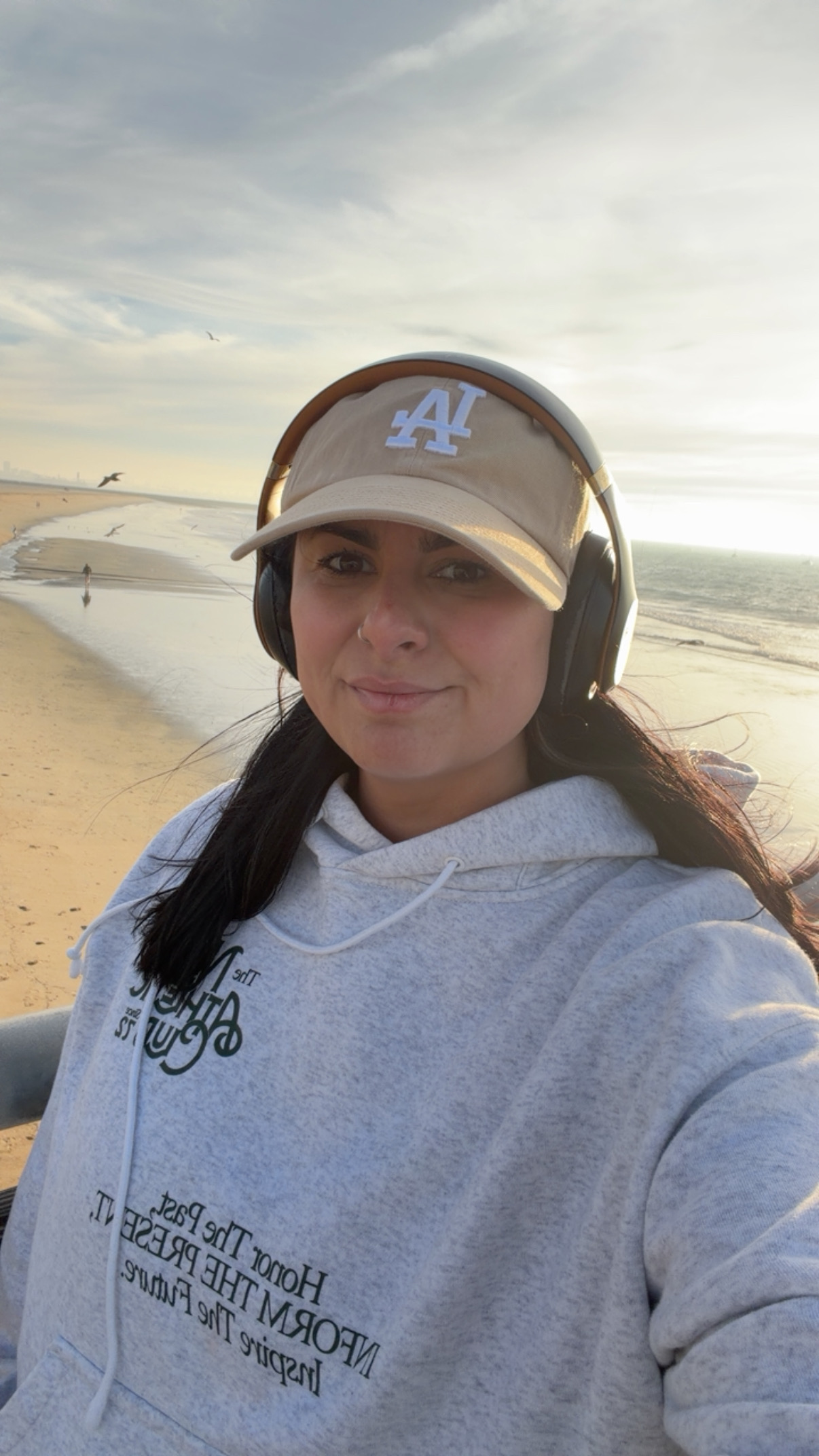
My name is Emily MacDonald and I live in Cypress, California. I lived in California my whole life and my favorite place to go is the beach because I live so close to the beach and it’s my comfort spot. Growing up living in California, I loved TV show’s and how TV shows were made. I live so close to Los Angeles that growing up, I would go see live TV tappings of shows being made and live music that was being filmed. My dream has always been to work in the entertainment industry in some form just because I loved it so much. I’ve been in college for 10 years and this year I finally get to graduate with my bachelors degree. I’m one step closer to my dream of working in the entertainment industry. I think people should never give up and it doesn’t matter how long it takes you as long as you keep going. I look forward to life after school and excited to see what’s to come next. I hope you like my Blog post of how I’m thinking about things in the world.